After the Last Post: The Grief That Hits When Your Fan Community Falls Apart
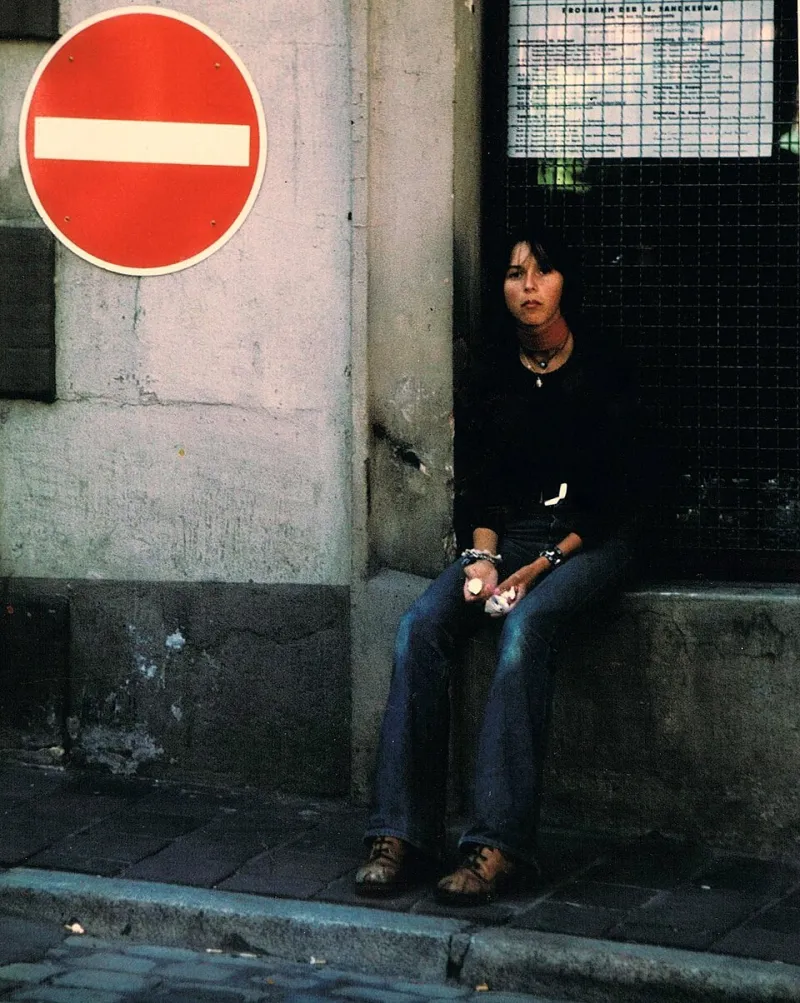
Photo: Stiller Beobachter from Ansbach, Germany, CC BY 2.0, via Wikimedia Commons
Nobody tells you it's going to feel like a breakup. Not the kind where someone sits you down and says it's over — more like the slow, creeping kind where you notice the texts getting shorter, the Discord channel going quieter, and one day you scroll back through months of memories and realize it's just... done.
Fan communities end all the time. Shows get canceled. Fandoms fracture over drama. The moderators burn out and disappear. Key members move on to new obsessions and take their energy with them. And when it happens, the grief that follows is completely real — even if the people in your offline life don't quite get why you're mourning a group chat.
It Wasn't Just a Fandom. It Was a Found Family.
Here's the thing mainstream culture still tends to get wrong about fan communities: it assumes the attachment is to the content. The show, the band, the game. And sure, that's where it starts. But for a lot of people, the content becomes almost secondary to the connections that grow up around it.
You joined a subreddit for a niche cable drama. You started commenting on a Discord server about a video game. And somewhere along the way, those strangers became the people who knew your sense of humor better than your coworkers did. They remembered the things you mentioned in passing. They showed up in your inbox when something big happened in your life — good or bad.
Social scientists have a term for this: parasocial relationships. But that word gets thrown around in a way that makes it sound one-sided and a little sad. What's harder to name is the fully mutual, fully reciprocal friendships that form inside fan communities — friendships that are real by any honest definition of the word.
When those communities collapse, those friendships don't automatically survive the fallout. And that's where the grief gets complicated.
The Ways Communities Actually Die
It rarely happens all at once. More often, it's a slow bleed.
Sometimes the show ends and the momentum just drains out. There's nothing new to theorize about, no upcoming season to hype. The conversations that once ran for hundreds of posts slow to a trickle. People drift toward the next thing. The server stays up, but it starts to feel like an empty building — all the furniture still there, no one home.
Other times, it's drama. A fandom schism over a controversial creative decision, a falling-out between prominent community members, or a harassment incident that poisons the well. These kinds of endings are sharper. They come with anger layered on top of the grief, which makes the whole thing harder to process.
And sometimes it's just attrition. Real life accelerates — jobs, kids, moves, health stuff — and one by one, the regulars disappear. There's no announcement, no farewell post. People just stop showing up, and eventually the space goes dark.
What the Grief Actually Feels Like
People who've been through it describe it in surprisingly consistent terms. There's the disorientation — the phantom habit of reaching for a community that isn't there anymore. You finish an episode of something new and instinctively want to share it with those people, in that space, and then remember you can't.
There's also a specific loneliness that comes from knowing the grief isn't legible to people outside the fandom. You can't exactly call in sick because your favorite Discord community disbanded. You can't expect the kind of sympathy you'd get after a more conventional loss. So a lot of people end up processing it quietly, which tends to make it linger longer than it should.
Some folks describe something close to identity disorientation, too. If you spent years being the person who was really into that show — who organized watch parties, wrote fan theories, made friends through that shared obsession — losing the community can feel like losing a version of yourself.
How People Are Creating Closure (When None Is Offered)
What's genuinely moving is how creative fans get when they decide they deserve a real goodbye.
Some communities organize formal sendoffs before the lights go out — retrospective posts, voice chats where people share their favorite memories, collaborative documents where members write letters to the community itself. It sounds a little ceremonial, maybe even a little silly from the outside. But grief researchers will tell you that ritual matters. Marking an ending helps the brain actually process it as an ending, rather than leaving you in an indefinite limbo of waiting for something to come back.
Other people focus on salvaging the relationships that matter most. They move specific friendships off the community platform and onto more direct channels — texting, Instagram DMs, even exchanging actual addresses. The community as a whole may be gone, but the people who made it real don't have to be.
There's also a growing trend of what you might call migration grief groups — smaller, informal spaces where former members of disbanded communities gather not necessarily around new content, but around the shared experience of having lost something. It's community built out of the loss of community, which is either deeply poignant or deeply human, depending on how you look at it.
Finding a New Tribe Without Betraying the Old One
One of the stranger emotional hurdles is the guilt that comes with moving on. It can feel disloyal — like finding a new fan home means admitting the old one wasn't irreplaceable.
But here's a reframe worth sitting with: the fact that a community shaped you so deeply is exactly why you're capable of building meaningful connections in the next one. The skills you developed — how to show up for people, how to hold space for different opinions, how to build inside jokes and shared references with strangers — those travel with you.
Your people aren't always going to be in the same place. Sometimes a tribe runs its course. Sometimes it ends badly. Sometimes it just ends. And grief is the appropriate response to that, not a sign that you got too attached or took it too seriously.
You took it seriously because it was serious. The friendships were real. The belonging was real. The loss is real.
And somewhere out there, there's a new community being built around something you haven't discovered yet — full of people who are going to be glad you showed up.
That's always been how it works here. You lose one home, and eventually, you find another. The tribe changes. The need to belong doesn't.