Paying to Belong: The Hidden Cost of Being a True Fan in 2025
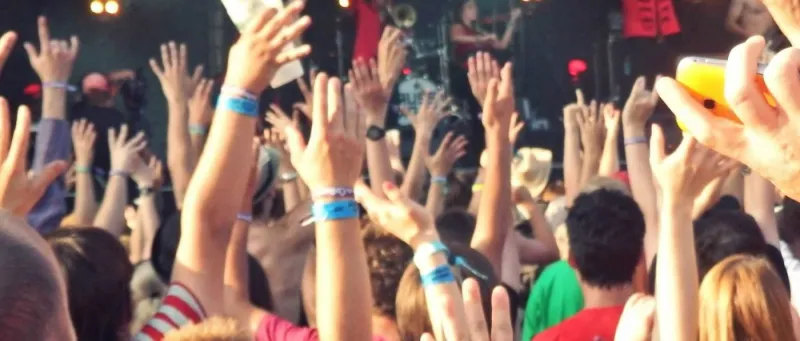
Photo: fan community merchandise exclusive event wristband crowd, via customprintnepal.com
There's a moment every passionate fan knows. You've found your people — the Discord server buzzing at midnight, the Patreon page promising behind-the-scenes access, the exclusive merch drop that feels less like a purchase and more like a membership badge. And then you see the price tag.
Welcome to what a growing number of fans are calling the superfan tax — the creeping financial cost of going deeper than the casual viewer and actually embedding yourself inside a fan community. It's a conversation that's happening in comment sections, subreddits, and DMs across the country right now, and it's worth taking seriously.
Where the Money Is Actually Going
Let's be real about how modern fan communities generate revenue, because the ecosystem has gotten surprisingly complex.
Patreon has become the backbone of creator-led communities. Tiers ranging from $3 to $50 a month promise everything from early podcast access to private Discord channels to monthly video calls with the creator themselves. For small independent creators, this model is genuinely life-sustaining — it's how a niche horror movie podcast keeps the lights on without selling out to a corporate sponsor.
Then there's the convention circuit. San Diego Comic-Con, VidCon, and dozens of smaller regional events have normalized multi-tiered ticketing structures where a basic badge gets you through the door, but a VIP package — sometimes running $300 to $800 — unlocks meet-and-greets, priority seating, and exclusive merchandise. For many fans, these experiences feel transformative. For others, they feel like being handed a menu where the best dishes are behind glass.
Merchandise has evolved too. Limited-edition drops, fan club exclusives, and numbered collectibles have turned fandom into something that occasionally resembles a secondary market investment strategy. The line between "buying something you love" and "buying access" has blurred significantly.
Two Communities, Two Very Different Outcomes
Here's where it gets interesting, because the paywall model doesn't produce uniform results.
Consider the world of independent professional wrestling fandom. Communities built around promotions like Ring of Honor or independent circuit wrestlers have experimented heavily with paid Discord tiers. In several cases, the paid tier created a genuinely tighter inner circle — fans who were more invested, more engaged, and more likely to support each other beyond the wrestling content itself. The money filtered for commitment, for better or worse.
Contrast that with communities built around certain true crime podcasts or book clubs, where creators made a deliberate choice to keep their primary gathering spaces free. These spaces — often hosted on Reddit or open Discord servers — have produced some of the most organically vibrant fan cultures online. Members organize local meetups, run charity drives in the creator's name, and build real friendships without ever paying a cent for access. The argument here isn't that money ruins community. It's that free access can, in the right conditions, produce something money can't manufacture: genuine grassroots belonging.
What Fans Say They Expect to Get
We're not going to pretend there's a clean answer here, because fans themselves are split.
A significant portion of people who pay for premium community access will tell you it's worth it — not because of the perks listed on the tier page, but because the act of paying creates a shared skin-in-the-game energy. Everyone in the paid Discord chose to be there. That selectivity, they argue, raises the quality of conversation and lowers the noise.
But talk to fans who've felt priced out of communities they love, and you'll hear something different. A 22-year-old college student who can't afford a $25-a-month Patreon tier isn't less passionate than someone who can. The superfan tax, at its worst, doesn't filter for dedication — it filters for disposable income. That's a meaningful distinction, and it's one that communities with genuine values should be wrestling with.
There's also the question of sustainability. Fans who pay for access tend to expect results — and when a creator goes quiet, misses promised content, or the community loses energy, the backlash from paying members can be significantly sharper than from free members. Money raises the stakes in both directions.
The Fairness Question Nobody Wants to Fully Answer
Is it fair? Honestly, it depends on what you think fan communities are fundamentally for.
If a community exists primarily to support a creator's livelihood and give dedicated fans a closer experience, then tiered access is a pretty logical structure. Creators are people who need income, and building community takes real time and effort.
If a community exists to democratize belonging — to give people who share a passion a place to find each other regardless of their bank account — then paywalls represent a genuine philosophical problem, even when they're implemented with good intentions.
The communities that seem to thread this needle most successfully are the ones that offer a meaningful free tier alongside their paid options. Something real, not just a crumb. A public Discord that's actually moderated and active. A free newsletter that isn't a watered-down tease. The message that sends? You belong here regardless. But if you want to go deeper, here's how.
What This Means for Where You Choose to Plant Your Flag
At TribeAmest, we believe the best communities are ones where you feel found — not ones where you've purchased a feeling of belonging. Those are different things, even when they look similar from the outside.
If you're evaluating whether a paid community is worth it, ask yourself a few honest questions. Is the free access genuinely meaningful, or is it a funnel? Do the paid members seem to have built real relationships, or are they just closer to the creator? And critically — if the creator disappeared tomorrow, would this community survive on its own energy?
That last question tends to cut through the noise pretty fast.
The superfan tax is real, and it's not going away. But the best tribes — the ones worth your time, your energy, and yes, sometimes your money — are the ones that were never really selling access in the first place. They were building something that made you want to stay.