You Told the Group Chat First: Why Your Online Tribe Hears the Big News Before Your Family Does
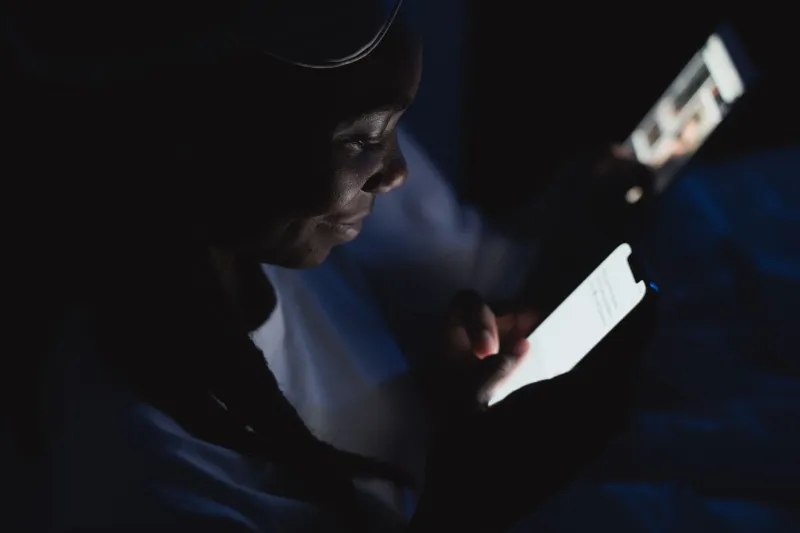
It happened at 11:47 on a Tuesday night. The relationship was over — officially, finally, in the way that stings even when you saw it coming. And before the tears had dried, before the phone buzzed with a single text from a sibling or a college roommate, you were already typing into a community thread you'd been part of for two years.
Not to your mom. Not to your best friend from high school. To a group of people you technically met because you all loved the same show.
If that sounds strange to you, you might be in the minority right now.
The New First Call
There's a quiet shift happening in how Americans process life events, and it's playing out in fan forums, Discord servers, niche subreddits, and community spaces that started as places to talk about entertainment. These spaces have become something else entirely — emotional infrastructure for people who need to be heard right now, without judgment, without history, and without the complicated weight of family expectations.
The instinct to reach for your tribe first isn't about avoidance. It's about access. Your online community is always open. Someone is always awake. And critically, someone always responds.
That immediacy matters more than people give it credit for. When you're sitting with fresh news — a layoff, a diagnosis, a relationship ending — the last thing you want is to wait until morning to call your aunt or rehearse how to explain it to your parents without making them spiral. Your community doesn't need backstory. They already know you, just differently.
Why Internet Strangers Feel Safer
Here's the thing that sounds counterintuitive until it doesn't: vulnerability is easier with people who don't have a stake in your life outside of genuinely caring about you.
Your mom loves you, but she also has opinions about your ex. Your work friends are great, but there's a ceiling on how much you want them knowing. Your college crew is scattered across time zones and deep into their own chaos.
Your online community? They showed up for the same thing you did — a shared passion, a piece of entertainment, a niche interest — and somewhere along the way, they started showing up for you. There's no inheritance drama, no family politics, no social consequence to being honest. You can say "I'm a mess right now" and the replies come in without anyone needing to fix their schedule or manage their own feelings about it first.
Psychologists have a term for this kind of relationship dynamic — "weak ties" — but that label undersells what's actually happening. These aren't weak connections. They're just different ones. And in 2025, different is doing a lot of heavy lifting.
The Community Becomes the Container
Fan communities, in particular, have developed a culture of emotional holding that's genuinely impressive when you step back and look at it. The best ones have members who've watched each other navigate career pivots, health scares, cross-country moves, and yes — breakups. They've built a shared language, a set of inside references, and a collective memory that rivals some friendships people have maintained for decades.
When you post "I need to talk about something that has nothing to do with the show," most healthy communities don't flinch. They lean in. Because the show — or the band, or the game, or whatever brought everyone together — was never really the point. It was the door. The community is the house.
That's what TribeAmest has always been about, honestly. Your people aren't defined by a shared algorithm or a mutual follow. They're defined by showing up in the same spaces, consistently, over time — until the space itself becomes a relationship.
What This Says About How We Define 'Real' Now
There's still a cultural hangover around online relationships — this lingering idea that they don't count as much, that they're somehow less real than the ones formed in person. That bias is eroding fast, but it hasn't disappeared.
Ask someone who shared their cancer diagnosis in a fandom thread before calling their siblings if those community members felt real. Ask someone whose online crew organized a meal train after a job loss whether that support felt virtual. Ask the person who got through a divorce partly because a group of strangers checked in every single day if those connections were lesser.
The answer is going to be the same every time.
We're rewriting the definition of intimacy in real time, and online communities are at the center of that rewrite. "Real" relationships aren't just the ones with shared physical space. They're the ones where you feel safe enough to fall apart, and where someone catches you when you do.
The Complicated Part Nobody Talks About
This shift isn't without friction. Sometimes the community knows things your family doesn't — and that creates its own awkward terrain. What happens when your mom eventually finds out you processed the breakup with internet friends first? What does it mean for your offline relationships when your online ones are doing more emotional labor?
Those are real questions worth sitting with. Not because the online relationships are wrong, but because the offline ones need tending too. The tribe that hears the news first shouldn't become the only place you process it. Ideally, they're a bridge — a safe place to get your footing before you figure out what to say to the people who've known you longest.
The best communities seem to understand this instinctively. They don't try to replace your family or your old friends. They just fill the gaps those relationships leave — the 11:47 p.m. gaps, the "I don't know how to say this out loud yet" gaps, the gaps where you need someone who's just going to listen.
Finding Your People Changes What's Possible
If you've never had the experience of telling an online community something real and having them meet you there, it's hard to explain what that feels like. It's not the same as posting on social media and watching the likes roll in. It's something closer — more like being known.
That's the thing about finding your tribe: it changes what you think is possible in terms of connection. You stop assuming that intimacy only lives in a handful of relationships you've had since childhood. You start recognizing it in unexpected places — in a thread about a canceled show, in a voice chat that runs two hours longer than planned, in a DM from someone who just wanted to check in.
So yeah. Maybe you told the group chat first. Maybe you typed it all out before you called anyone who shares your last name.
That's not a sign something's broken. It might be a sign something is very, very right.