The Community That Caught You When You Were Falling: How Fan Tribes Quietly Become Lifelines

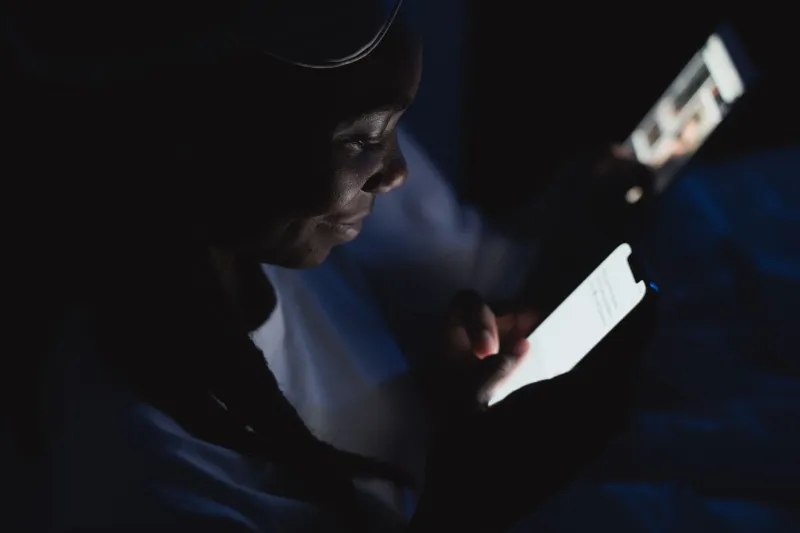
You probably didn't join the Discord server looking for a reason to get out of bed in the morning. Maybe you were just bored, or lonely, or you'd binged the whole show in a week and needed somewhere to put all those feelings. You clicked a link, introduced yourself with a nervous little message, and figured you'd lurk for a while.
But then something shifted.
For a lot of people — way more than you'd guess — that shift turned into something they never expected. The fan community became the soft place to land that nothing else in their life was providing at the time. And most of them have never said that out loud to anyone.
Nobody Talks About This Part
There's a weird kind of embarrassment that comes with admitting that a fandom saved you. Like, what does that even say about you? That a group of strangers obsessing over a TV show or a band or a book series was the thing that got you through your worst year?
Yeah. For a lot of us, that's exactly what it says.
The mental health benefits of community aren't some secret — therapists and researchers have talked about the importance of belonging for decades. But the specific power of entertainment-based communities tends to get dismissed, written off as trivial or escapist. What people miss is that the entry point being a shared love of something fun doesn't make the connection any less real. If anything, it makes it easier to form, because the pressure is low and the common ground is already there.
You don't have to explain yourself. You just have to love the same thing.
When the Show Became a Lifeline Before You Realized It
There's a pattern that shows up over and over in these stories. Someone is going through something — a breakup, a job loss, a move to a new city, a depression that won't lift, a grief they don't know how to carry. They find a piece of entertainment that hits them somewhere deep, and then they find the community around it.
At first it's just distraction. Then it's routine. Then it's people.
A woman in her late twenties who moved from Ohio to Portland for work describes it like this: she knew nobody, her apartment felt like a storage unit she slept in, and she was genuinely starting to wonder if she'd made a catastrophic mistake. She'd been a casual fan of a particular sci-fi series for years, but after the move she went deep — joined the subreddit, started posting theories, eventually found a smaller Discord where people talked about the show but also just talked. Six months later, two of those people were her actual friends. One of them talked her through a panic attack at 2 a.m. over voice chat.
She's never told her family that story. It sounds too weird, she says. But she also says it's one of the most important things that ever happened to her.
The Structure That Nobody Talks About
One of the underrated things fan communities offer is structure. When your life feels like it's coming apart, having somewhere to be — even virtually — matters more than people realize.
There's a weekly watch party you show up to. A thread that posts every Thursday that you always comment on. A friend who tags you in memes because they know you'll get it. These things are small, but they create a rhythm. And rhythm, when you're struggling, is everything.
Accountability sneaks in too. People notice when you're gone. Not in an overwhelming way — nobody's checking up on you like a parole officer — but in that quiet way where someone drops a "hey, haven't seen you around, hope you're good" and suddenly you feel like you exist to someone outside your own head. That's not nothing. That's actually a lot.
Purpose Disguised as a Hobby
Fandom also hands people something to do, which matters more than it sounds when you're in a low period. Writing fan theories. Running a fan account. Moderating a server. Creating fan art. Compiling episode guides. These are real skills, real contributions, and they come with real feedback loops — people respond, appreciate, engage.
For someone who's lost a job, or who's dealing with an illness that's pulled them out of their normal life, or who's just in that gray zone where nothing feels meaningful, having a small corner of the internet where your effort visibly matters can be genuinely stabilizing.
It's not a replacement for therapy or medication or the other tools that people need. But it fills a gap that a lot of those tools can't — the gap that's shaped like I did something today and someone noticed.
The Loneliness Epidemic Has a Workaround
The US Surgeon General made headlines a couple of years back calling loneliness a public health crisis. The numbers are real and they're grim — a huge percentage of Americans report feeling isolated, without close friends, without people they can call in an emergency. That's not a small thing. Chronic loneliness has health consequences that rival smoking.
And here's what's interesting: niche fan communities, for all their chaos and drama and occasional toxicity, are actually doing something that a lot of formal social structures aren't. They're creating genuine connection at scale, across geography, across age, across backgrounds that would never otherwise intersect.
The retired guy in rural Tennessee and the college sophomore in Chicago and the stay-at-home parent in suburban Atlanta don't have a lot of obvious reasons to know each other. But they're in the same server, they've been through the same fandom drama together, they've stayed up too late arguing about the same plot holes, and somewhere along the way they started to actually care about each other.
That's community. Full stop.
You Don't Have to Explain It
If you're someone who's been quietly carrying this — the knowledge that a fandom pulled you through something you don't talk about at dinner — you don't owe anyone the explanation.
But it's worth knowing you're not alone in it. The person across the server who seems totally fine? There's a decent chance they have their own version of this story. The moderator who seems like they've always had it together? They might have found the community at the exact right moment too.
This is part of what TribeAmest is built around — the idea that finding your people isn't a small thing. It's not a consolation prize for not having a "real" social life. It's one of the realest things there is.
The community that caught you when you were falling? That was real. The people in it are real. And the fact that it started with a show or a band or a game doesn't make it any less of a lifeline.
Some tribes find you right when you need them most. That's not a coincidence. That's just how belonging works.